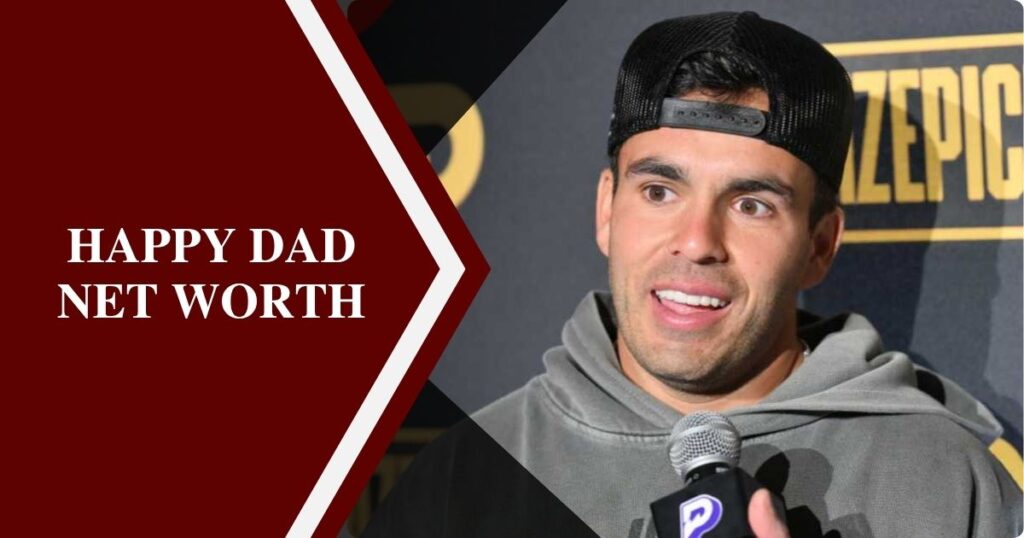
Happy Dad went from a YouTube side project to one of the fastest growing hard seltzer brands in the United States in under five years. Built by the team behind the NELK Boys and Full Send, the brand turned a massive online audience into a real beverage company that now sits on shelves next to White Claw and Truly.
This guide breaks down the real numbers behind Happy Dad’s net worth in 2026, who actually owns the company, how it built such a loyal fanbase, and what the brand plans to do next. Every figure here reflects the most current industry estimates available, since Happy Dad remains a privately held company.
Quick Bio
- Brand name: Happy Dad Hard Seltzer
- Founded: June 2021
- Founders: Kyle Forgeard, John Shahidi, Sam Shahidi
- CEO: Sam Shahidi
- Headquarters: Orange County, California
- Industry: Hard seltzer and flavored malt beverages
- Core ABV: 5 percent
- Estimated net worth (2026): $250 million to $300 million
- Estimated annual revenue: $70 million to $100 million+
- Associated personalities: NELK Boys, SteveWillDoIt, Full Send
Who Owns Happy Dad?
Happy Dad is owned by three co-founders tied to the Full Send media empire. Kyle Forgeard, one of the original NELK Boys, brought the audience and the branding instincts. John Shahidi, founder of Shots Studios, brought years of digital media and talent management experience. His brother, Sam Shahidi, took the CEO role and runs the company’s day to day operations.
Stephen “SteveWillDoIt” Deleonardis is closely associated with the brand through his role in the wider NELK and Full Send ecosystem, and he regularly promotes Happy Dad to his audience. However, Happy Dad’s own official materials list only Kyle Forgeard, John Shahidi, and Sam Shahidi as founders, so his exact financial stake in the company itself is not confirmed.
Since Happy Dad is privately held, exact ownership percentages have never been published. What is clear is that the founding trio retains creative and operational control of the brand as of 2026.
Read More: Ivan Cornejo Height: Fans Shocked by Singer’s Real Stats
How Happy Dad Became So Popular
Most beverage startups spend years and millions of dollars trying to build an audience before they have a product worth selling. Happy Dad flipped that formula. The founders already had a built-in fanbase of tens of millions through the NELK Boys YouTube channel and the Full Send Podcast before a single could hit shelves.
Instead of running traditional ad campaigns, the brand treated its existing audience like partners. Fans got early access, behind-the-scenes content, and a direct line to the people running the company. That sense of ownership turned casual viewers into paying customers almost overnight.
Happy Dad’s Rise to Success
The brand launched with a simple hard seltzer lineup in 2021 and expanded quickly from there. Key moments in its growth include:
- 2021: Original hard seltzer launch, selling out in many markets within hours
- 2022: Fruit Punch flavor added to the core lineup
- 2023: “Happy Mom” Raspberry and a Snoop Dogg collaboration flavor called Death Row Grape
- 2025: Launch of Happy Dad Hard Tea and a limited higher ABV Realtree Lemonade
- 2026: A 5 percent ABV Realtree Lemonade 12 pack and continued state by state expansion
Each release added a new reason for the existing fanbase to stay engaged while pulling in new customers who discovered the brand through retail shelves rather than social media.
Initial Struggles and Successes
Happy Dad’s early days were not without friction. State-by-state alcohol distribution laws slowed national rollout, and limited early production runs meant some markets faced shortages right after launch. Reviewers at the time noted that early cases were priced higher than most competing sellers, which created some initial skepticism about whether the hype would hold up.
That skepticism faded fast. By 2024, Happy Dad’s case volume jumped 44 percent year over year, one of the strongest growth rates of any flavored malt beverage brand that year. The brand proved it could deliver repeat customers, not just a one-time novelty purchase.
Happy Dad Net Worth (2026)
Heading into 2026, most industry estimates place Happy Dad’s net worth between $250 million and $300 million. Some broader valuations put the figure closer to $100 million when calculated purely on revenue multiples rather than brand equity, which shows how much these numbers can shift depending on the methodology used.
Because Happy Dad is a private company, nobody outside the business has access to its actual financial statements. Analysts arrive at these figures by comparing Happy Dad to similar beverage brands and applying standard valuation multiples used across the alcohol industry. What is consistent across nearly every estimate is that the brand’s value has grown significantly since its 2021 launch, a rare feat for a company barely five years old.
Inside the Business Model
Happy Dad’s business model is not complicated, but it is smart. A few decisions set it apart from typical hard seltzer launches:
- Bigger cans: While most hard seltzers stick to 12 ounce cans, Happy Dad built its identity around larger formats, giving customers more product at a competitive price.
- Low bubbles positioning: The brand markets itself around smoother carbonation rather than the fizzy profile common in the category.
- Product line expansion: Seltzers, hard tea, and higher ABV lemonade variants all sit under one brand umbrella, letting the company capture different drinking occasions.
- Creator-first distribution: Rather than spending heavily on traditional advertising, marketing dollars go toward content, collaborations, and fan engagement.
This approach keeps overhead lower than a traditional beverage launch while still building strong brand recall.
Happy Dad’s Marketing and Brand Lifestyle
Happy Dad is not just a drink. It is packaged as part of the broader Full Send lifestyle, which includes merchandise, a podcast, and a well-known YouTube presence. The brand leans into an unapologetic, high-energy identity built around the phrase “send it.”
Collaborations have played a major role in keeping the brand culturally relevant. The Death Row Grape flavor, made in partnership with Snoop Dogg, generated significant attention outside the brand’s usual audience. A reported partnership tied to the Joe Rogan podcast in 2026 has further extended Happy Dad’s reach into new demographics beyond the original NELK fanbase.
Social Media and Viral Success
Social Media Strategy
Happy Dad’s social strategy relies heavily on user generated content rather than polished brand campaigns. The company encourages fans to post their own taste tests, rankings, and reactions, then amplifies the best content across its own channels. This keeps the brand feeling authentic rather than corporate, which matters enormously to its younger target audience.
Viral Campaigns
Some of the brand’s biggest moments online came from simple, low-cost ideas that turned into massive engagement:
- Sending cases of product directly to fans and creators for unboxing content
- Blind taste tests pitting Happy Dad Hard Tea against a leading competitor, which the brand publicized after winning across every age group tested
- Flavor ranking challenges that spread organically across TikTok under hashtags like #happydad and #hardseltzerreview
These campaigns cost far less than traditional advertising while generating engagement that money alone typically cannot buy.
Revenue and Brand Value
Estimates put Happy Dad’s annual revenue somewhere between $70 million and $100 million, though some reports suggest the figure could be higher given continued double-digit growth. The company has reportedly sold well over 200 million cans since its 2021 launch, according to industry estimates that vary depending on the source and timeframe measured.
Nationally, Happy Dad still holds a relatively small slice of the overall hard seltzer market, generally cited around 1.5 to 2 percent of category dollar share. What stands out is the growth rate. While legacy brands like Truly have seen double-digit declines in recent years, Happy Dad has consistently posted growth, including a period where it ranked as the fourth largest hard seltzer brand across U.S. convenience stores and later climbed to third place in the Western United States convenience channel.
Read More: Michelle Smallmon Wikipedia: Age, Career, Family, and Net Worth
Comparisons to Competitors
Here is how Happy Dad stacks up against the biggest names in hard seltzer:
- White Claw: The category leader by a wide margin, with the broadest flavor lineup and a higher ABV “Surge” line for stronger drinkers.
- Truly: Known for one of the widest flavor portfolios in the category, including iced tea and high ABV variants, though its overall volume has declined in recent years.
- High Noon: A vodka-based alternative that uses real fruit juice rather than the fermented sugar base most seltzers rely on.
- Happy Dad: Differentiates through larger can sizes, influencer-driven branding, and standout momentum in convenience stores, particularly among younger drinkers.
Key Insights from the Comparison
- Happy Dad’s growth rate consistently outpaces most top five hard seltzer brands, even though its total market share remains small.
- Regional performance often beats national numbers, with several West Coast markets showing Happy Dad outselling established competitors.
- Product differentiation through can size and flavor innovation has helped the brand avoid competing purely on price.
- The brand’s creator economy roots give it a marketing advantage that traditional beverage companies cannot easily replicate.
Where Is Happy Dad Sold?
Happy Dad is available across more than 30 U.S. states as of early 2026, with a full 50-state rollout currently underway. The brand also has an established presence in Canada.
Major retail partners include:
- Grocery chains such as Walmart, Kroger, and Albertsons
- Warehouse retailers like Costco
- Liquor specialists including Total Wine and BevMo
- Convenience store chains such as 7-Eleven, Circle K, and Casey’s
Online availability exists in limited form through services like Drizly, though this depends heavily on each state’s alcohol shipping regulations. The company has also signaled interest in expanding into international markets such as Europe and Australia.
Happy Dad’s Founders and Vision
- Kyle Forgeard: A Canadian entrepreneur and co-founder of the NELK Boys, recognized on Forbes’ 30 Under 30 list in 2022 for building a diversified creator-led business empire.
- John Shahidi: Founder of Shots Studios, a digital media company with years of experience managing talent and brands before Happy Dad existed.
- Sam Shahidi: CEO of Happy Dad and co-founder of the Shots Podcast Network, responsible for the company’s daily operations and strategic direction.
The founding vision was straightforward: build a hard seltzer that beer drinkers would actually want to switch to, packaged to look and feel premium rather than like a “skinny can” seltzer, using real flavor rather than artificial shortcuts.
What Does Happy Dad Taste Like?
Happy Dad markets itself around a smoother, “low bubbles” drinking experience compared to the sharp carbonation found in many competing seltzers. The brand states its flavors come from real fruit rather than artificial sweeteners.
Popular flavors include Lemon Lime, Watermelon, Pineapple, Raspberry, and Fruit Punch, which many taste testers point to as the standout in the lineup, offering bright cherry and orange notes with a lingering tropical finish. Independent taste test reviews online are generally positive, though as with any flavored beverage, opinions vary by personal preference.
What Alcohol Is in Happy Dad?
The core Happy Dad hard seltzer lineup sits at 5 percent alcohol by volume, in line with most standard hard seltzers and light beers. The alcohol comes from fermented cane sugar, giving it a clean, neutral base before fruit flavoring is added.
The brand has also released limited variants outside the core 5 percent lineup, including a higher ABV Realtree Lemonade that reached 8 to 10 percent in earlier releases before a 5 percent version was introduced in 2026. These stronger variants are separate product lines rather than changes to the standard seltzer formula. Each standard can is also gluten free.
Tea, Flavors, and Fruit Punch
Happy Dad expanded beyond seltzer with its Hard Tea line, launched in 2025 and featuring flavors like Peach, Blueberry, Passion Fruit, and Lemonade. In an internal blind taste test against a leading competitor, testers across every age group rated Happy Dad’s Passion Fruit Tea as their favorite, praising its natural, balanced flavor.
Fruit Punch remains one of the most requested flavors in the core seltzer lineup, while collaboration flavors like Death Row Grape and Happy Mom Raspberry have kept the product roster feeling fresh without straying too far from the brand’s identity.
Happy Dad’s Growth and Future Plans
Looking ahead, Happy Dad’s roadmap centers on a few clear priorities:
- Completing its rollout to all 50 U.S. states
- Deepening its presence in Canada while exploring entry into Europe and Australia
- Continuing to expand its Hard Tea and higher ABV product lines
- Building on new partnerships, including its reported connection to the Joe Rogan podcast in 2026
If current growth trends hold, industry watchers expect Happy Dad’s brand value to keep climbing well past the 2026 estimates, even as it remains a small player compared to the category’s biggest names.
Happy Dad’s Net Worth in Perspective
A $250 million to $300 million valuation sounds massive for a beverage brand, and it is, especially for one that did not exist before 2021. Most alcohol brands take a decade or more to reach a fraction of that valuation. At the same time, it is worth remembering that White Claw’s parent company, Mark Anthony Group, operates at a scale worth many billions of dollars.
Happy Dad’s achievement is not that it has caught up to the industry giants. It is that a group of content creators with no traditional beverage industry background built a brand that competes for shelf space with companies backed by decades of infrastructure and capital.
Read More: King Von Height, Weight & Body Stats: How Tall Is King Von?
Happy dad net worth 2026
As of 2026, Happy Dad’s estimated net worth sits between $250 million and $300 million, based on industry comparisons and revenue multiples rather than disclosed company financials. The brand remains privately held, so this figure represents an informed estimate rather than an official valuation.
Who is the CEO of Happy Dad?
Sam Shahidi is the CEO of Happy Dad. He oversees daily operations and strategic direction, while co-founders Kyle Forgeard and John Shahidi focus more on branding and audience growth.
Does Steve make money from Happy Dad?
SteveWillDoIt benefits financially through his promotion of the brand and his broader involvement in the Full Send and NELK ecosystem. He is not listed as an official Happy Dad founder, so his direct equity stake in the company itself is not publicly confirmed.
Is Happy Dad a successful company?
Yes. Rapid revenue growth, expanding retail distribution, and consistent market share gains all point to Happy Dad being one of the most successful beverage startups of the past five years.
Did Nelk sell Happy Dad?
No. As of 2026, Happy Dad remains under the control of its founding team, and there are no confirmed reports of a full company sale.
Is Happy Dad a healthy drink?
No alcoholic beverage qualifies as healthy. Happy Dad is generally lower in calories and sugar than many alcoholic drinks, but it should still be consumed in moderation like any alcohol product.
What is happy dad ranked in sales?
Happy Dad generally ranks around the fifth largest hard seltzer brand nationally by dollar sales, though it has reached as high as third or fourth place in specific regional and convenience store channels.
Is Happy Dad healthier than beer?
Happy Dad typically has fewer calories and carbohydrates than many traditional beers at a similar ABV, and it is gluten free. It is still an alcoholic beverage, so direct health comparisons depend on which specific beer is being compared.
Happy Dad ownership percentage
Exact ownership percentages have never been publicly disclosed since Happy Dad is a private company. Industry observers estimate the founding team likely retains a majority stake, consistent with typical ownership structures at similar founder-led beverage brands.
Conclusion
Happy Dad’s story is a case study in what the creator economy can build when a built-in audience meets a genuinely competitive product. From a bold 2021 launch to an estimated $250 million to $300 million valuation in 2026, the brand has carved out real staying power in a category dominated by much larger, longer-established competitors.
Whether that momentum turns Happy Dad into a true category leader or keeps it as a fast-growing challenger brand will depend on how well it manages its 50-state rollout, its international ambitions, and its ability to keep innovating on flavor. For now, it stands as one of the clearest examples of how influence, authenticity, and a well-timed product can turn into serious business value.

I’m David , founder of Msg Word, where emotions turn into meaningful words. Combining creativity with SEO expertise, I craft heartfelt messages that connect, inspire, and spread positivity for every occasion.